Overview
<p>Droughts and heatwaves are becoming more frequent, and the systems used today to forecast harvests often miss how badly yields drop in those extreme years. We built CropFusionNet, a deep learning model that forecasts crop yields for every district in Germany and also shows <em>which</em> weather and environmental factors are driving each forecast.</p>
Key findings
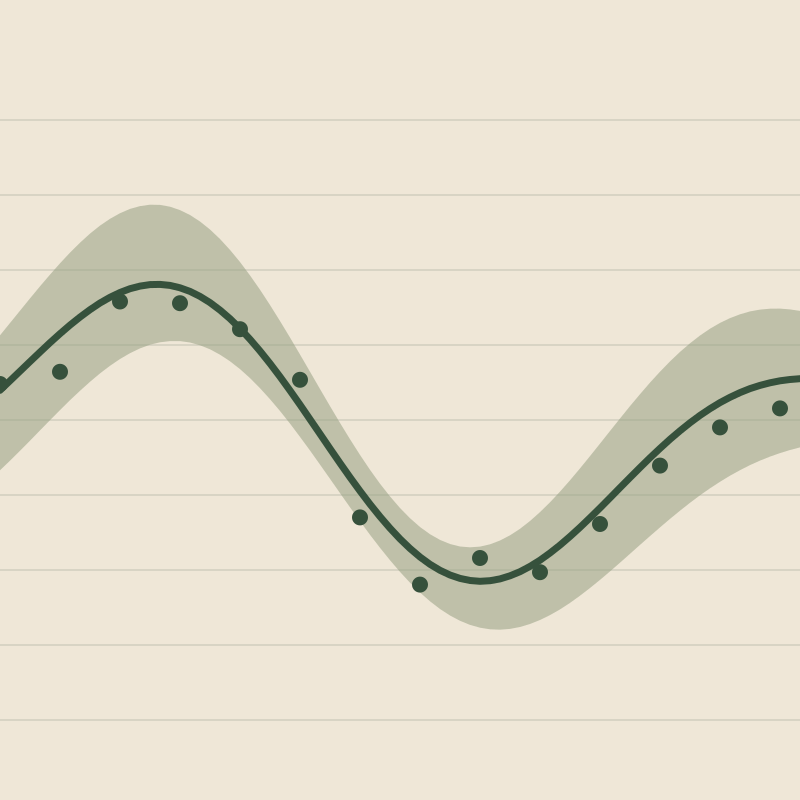
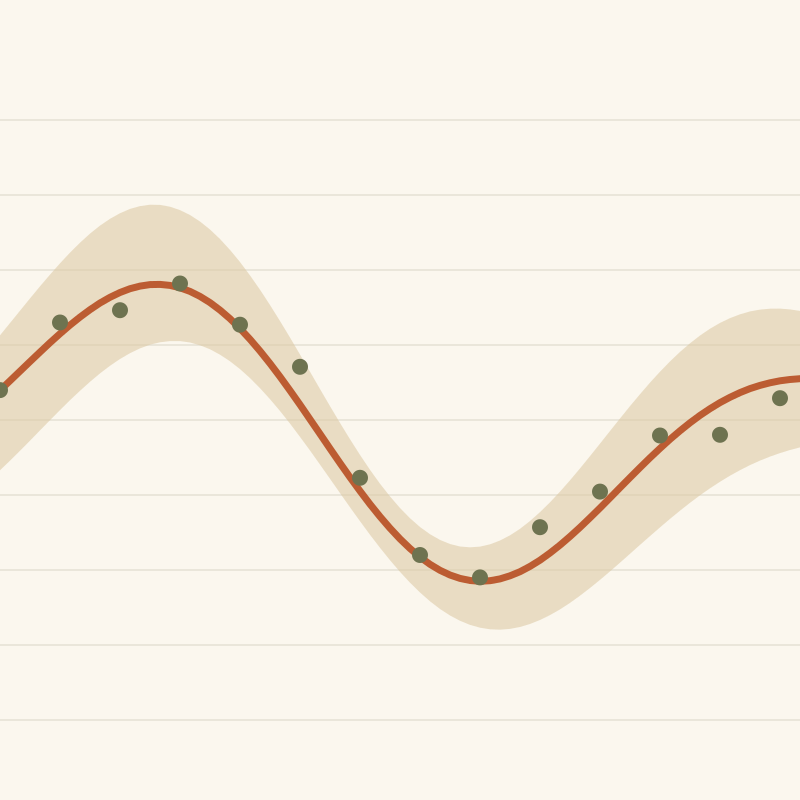
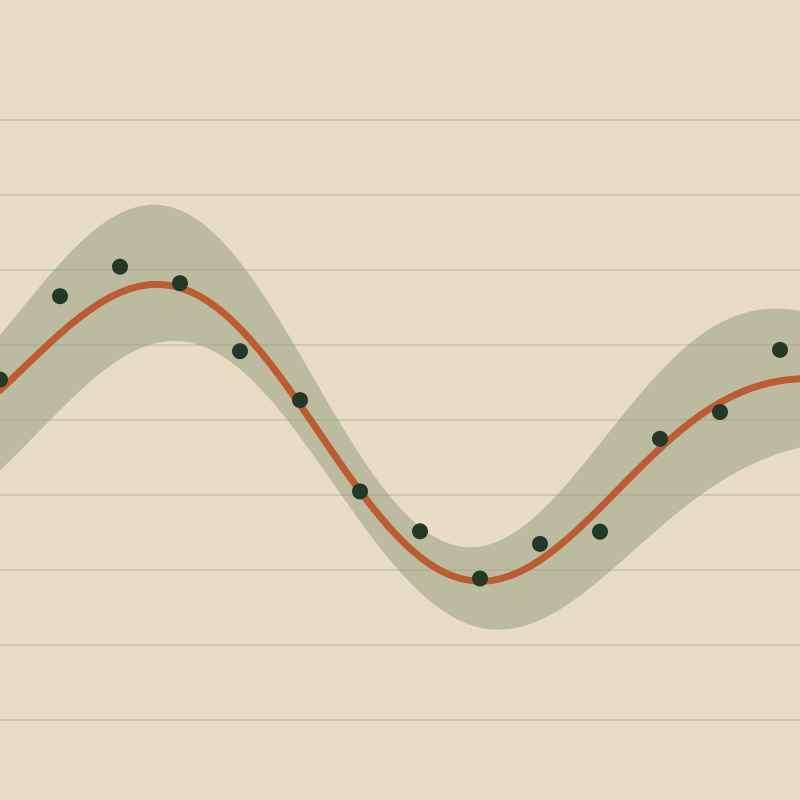
<ul><li>It beat other deep learning models and the operational forecasting systems MARS and ABSOLUT.</li><li>Accuracy was high for silage maize (R² = 0.75, about 9% average error) and winter wheat (R² = 0.60, about 8% error), and moderate for winter barley (R² = 0.45).</li><li>It correctly showed the sharp yield losses in the drought years 2003, 2018 and 2022.</li><li>Reliable forecasts are possible 40–60 days before harvest for winter cereals and up to 70 days ahead for maize.</li></ul>
Methods
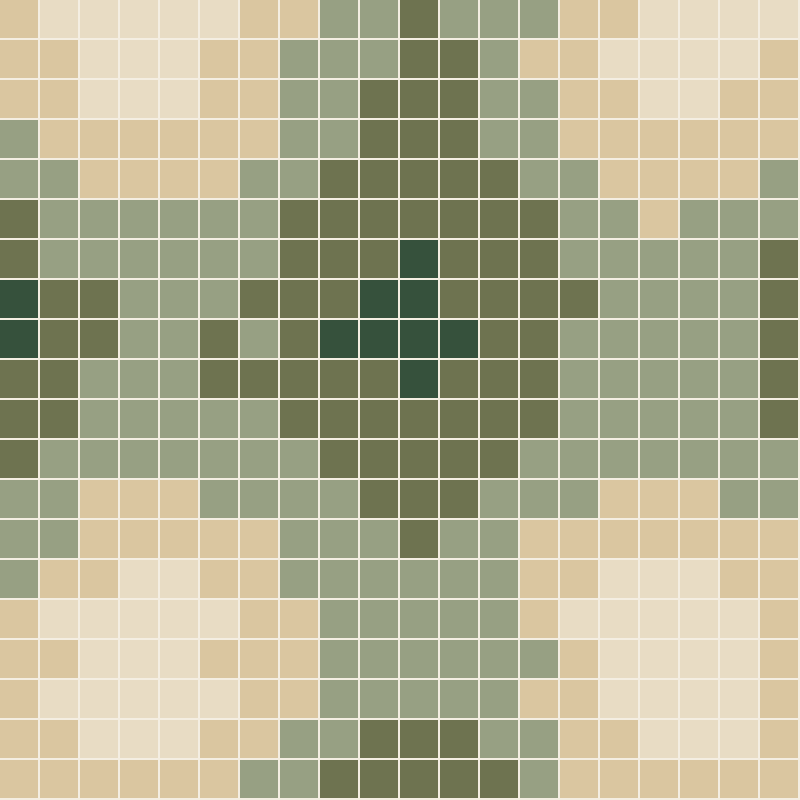
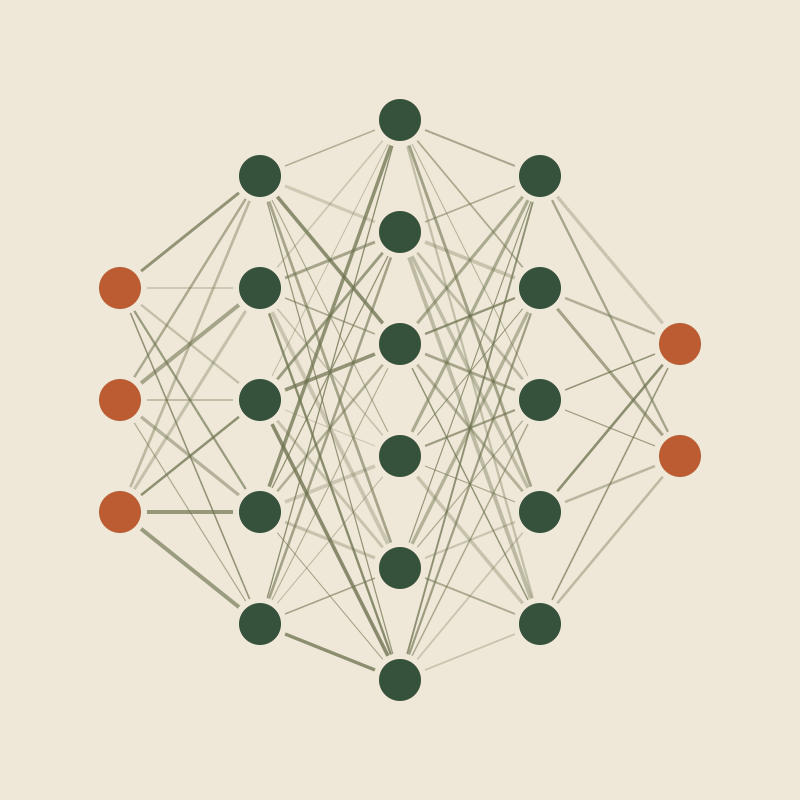
<p>The design builds on the Temporal Fusion Transformer, an AI model built for time series. It combines daily weather over the growing season with information that stays fixed, such as soil and location. It also reports how uncertain each forecast is, and explains its predictions by crediting them to the factors that drove them.</p>
Implications
<p>Earlier and more trustworthy harvest forecasts give farmers, markets and policymakers time to act before a bad season. They are especially useful in drought years, when they matter most. The code is open source.</p>